
Academic Rigor and Emotional Intelligence Can Coexist
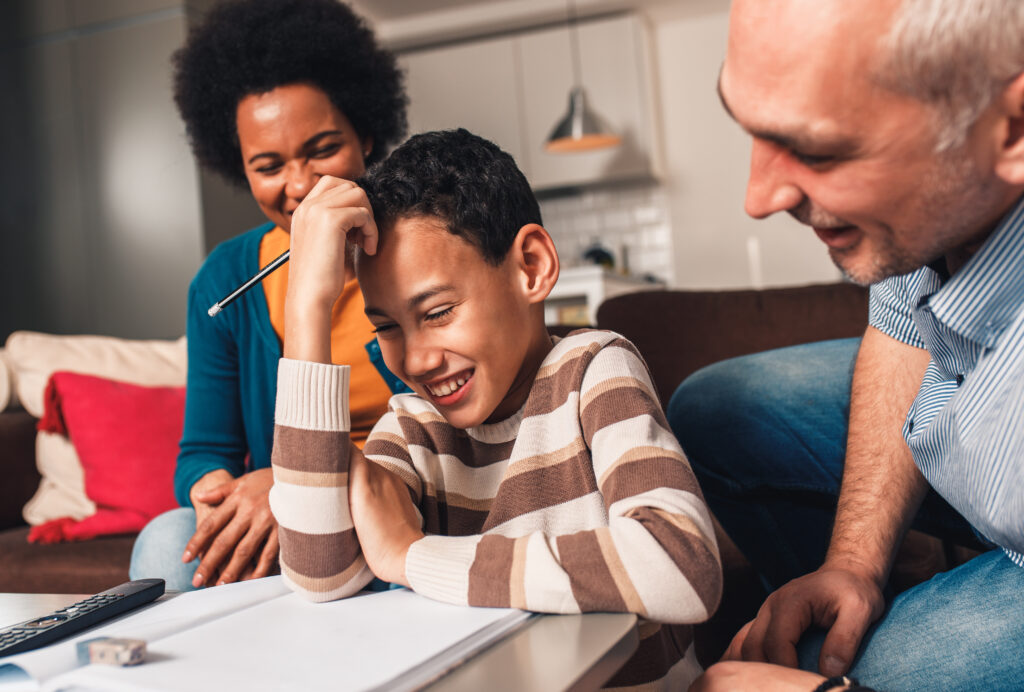
There is often a misconception in education when schools talk about emotional intelligence, it does not mean academics will take a back seat in learning. Some people assume that focusing on how students feel somehow lowers expectations for what they can achieve. At HomeSTEM Academy, we see it differently, emotional intelligence does not replace academic rigor. It strengthens it. Our students still write essays. They still work through challenging math problems that require persistence and careful thinking. They still conduct science investigations where they have to observe, test ideas, and explain their reasoning. They meet deadlines. They revise their work. They are expected to think deeply and communicate clearly. The difference is that we also teach them how to manage the emotional side of learning, because learning, especially meaningful learning, is not always easy. Anyone who has ever tried to solve a difficult math problem, write a strong piece of writing, or understand a complex scientific concept knows that frustration is part of the process. Students have moments where something doesn’t make sense yet. They feel stuck. They want to give up or move on to something easier. Those moments matter more than we often realize. If students don’t know how to handle that frustration, they begin to shut down. They avoid challenges. They start to believe they “just aren’t good” at certain subjects. But when students understand their own emotions and reactions, they respond differently. They pause. They try another strategy. They ask questions. They learn how to keep working through a challenge instead of walking away from it. That is where emotional intelligence and academic rigor meet. At HomeSTEM Academy, we intentionally teach students how to reflect on their work, how to advocate for themselves when they need help, and how to respond when something feels difficult. These are not soft skills that sit on the sidelines of academics. They are tools students use every day to keep learning. We often tell students that struggle is not a signal to stop. It’s a signal that their brain is working. Mistakes aren’t failures. They’re information. They show us what needs another look, another explanation, or another attempt. Feedback is part of that process too. Learning to receive feedback, without seeing it as criticism, is a skill many adults are still developing. When students understand that revision leads to stronger work, they begin to take more ownership of their learning. They revise essays more thoughtfully. They attempt harder problems. They push themselves further than they thought they could. Without support, rigor can overwhelm students and cause them to shut down. But support without high expectations leads to stagnation. Our goal is balance. Students should be challenged. They should be stretched. But they should also learn how to navigate the emotional side of learning that naturally comes with that challenge. The future our students are walking into will require far more than memorized facts. It will require adaptability, resilience, collaboration, and the ability to think critically in unfamiliar situations. That’s why we teach both. Not because it sounds good on paper, but because students deserve an education that prepares them for the real world they’re stepping into.
Education Is Not One-Size-Fits-All
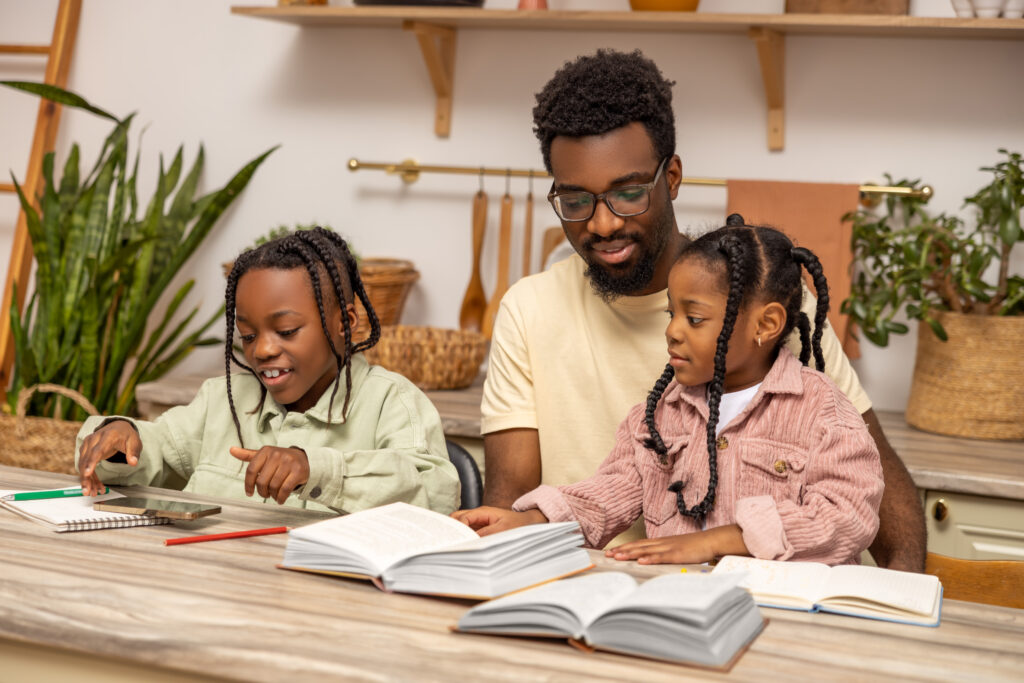
Spend time around children long enough and one thing becomes very clear: no two learners are the same. Some children ask questions constantly and want to know how everything works. Others prefer to sit quietly, observe, and think before speaking. Some students move quickly through math concepts but struggle to organize their thoughts in writing. Others can write beautiful stories but need more time to understand scientific ideas. Yet traditional schooling often treats learning as if every child should move at the same pace, through the same material, in the same way. Real learning simply doesn’t work like that. Every child brings a different combination of strengths, challenges, interests, and ways of thinking into the classroom. When we recognize that education looks different for every student, something important shifts. Instead of asking, “Why isn’t this child keeping up?” we begin asking a better question: “What does this child need in order to grow?” For some students, learning happens best through hands-on exploration. They need to build something, test an idea, or experiment with materials before the concept truly makes sense. For others, learning happens through reading deeply, writing, and reflecting on ideas. Some students thrive when learning moves quickly and keeps them intellectually stretched. Others need a little more time to process new ideas before they are ready to move forward. None of these differences mean a child is behind. They simply mean the path to understanding may look different. When schools recognize these differences, they can create learning environments that challenge students while also respecting how they develop confidence and independence. Students are more likely to take risks academically when they feel that their way of thinking is valued. You see it when a student raises their hand to ask a question they were previously too unsure to ask. You see it when a child revises their writing because they genuinely want their work to improve. You see it when a student keeps working through a difficult math problem instead of giving up. Those moments are signs of real learning. At HomeSTEM Academy, we believe students should be challenged academically while also being understood as individuals. Strong expectations matter. Rigor matters. But so does recognizing how each learner builds confidence and curiosity. Education should stretch students, but it should also allow room for the different ways students grow intellectually. Because when learning is built around how children actually think, students do more than complete assignments. They begin to see themselves as capable learners. And that belief often becomes the foundation for everything that follows.
How Structure and Flexibility Work Together in Virtual Learning

One of the first questions families ask when considering a virtual school is about structure. Parents want to know what the day will actually look like. Will their child stay focused? Will learning feel too loose or unorganized? Will students spend the entire day staring at a screen? These are fair questions. Virtual learning has grown quickly over the past several years, and not all programs are designed in the same way. Some environments are highly rigid, while others leave students navigating the day almost entirely on their own. At HomeSTEM Academy, we believe strong learning environments require both structure and flexibility. They are not opposing ideas. In fact, when designed thoughtfully, they support one another. A Clear Daily Rhythm Students thrive when they know what to expect. Each school day at HomeSTEM Academy begins with live instruction in the morning. These sessions are focused and interactive, giving students the opportunity to learn directly with their teachers and classmates. Teachers guide discussions, explain new concepts, and walk students through challenging ideas in real time. This part of the day is purposeful. It is not hours of passive screen time or endless lectures. Instead, it’s a time for instruction, conversation, and active thinking. After the live sessions end, students transition into independent work. This might include reviewing the lesson, completing assignments, practicing a skill, or working through a problem that requires deeper thinking. Because students already understand the expectations and the lesson content, they can approach this work with greater confidence. The routine itself becomes an anchor. When students have a clear daily rhythm, they know when to focus, when to work independently, and when to step away and reset. That predictability helps reduce stress and allows students to concentrate on learning rather than trying to figure out what comes next. Space to Think and Work Flexibility is just as important. Students are not meant to spend an entire day sitting in front of a computer. After the morning instruction, they have time to process information, complete work thoughtfully, and move at a pace that allows them to actually understand the material. Sometimes learning requires stepping away from the screen for a moment, rereading a problem, revising a piece of writing, or thinking through an idea before responding. This breathing room matters. When students have space to work independently, they begin to build habits that support long-term learning. They learn how to manage their time, how to focus on a task without constant direction, and how to take responsibility for their own progress. These skills are just as important as the academic content itself. Balance Creates Strong Learning A well-designed virtual school day should never feel chaotic or overwhelming. Structure provides stability and helps students feel grounded in their routine. Flexibility gives them the opportunity to develop independence and confidence in their own abilities. When the two work together, students experience something important: balance. They know what is expected of them, but they also have the space to grow into responsible, thoughtful learners. At HomeSTEM Academy, that balance is intentional. Because the goal of education is not simply to complete assignments, it is to help students develop the habits and mindset that will support them long after the school day ends.
Preparing Students for Careers That Don’t Exist Yet

The world our children are growing up in is changing quickly. Many of the careers they may enter haven’t even been created yet. So how do we prepare them? Not by memorizing more facts. But by teaching them how to think. Skills Over Shortcuts At HomeSTEM Academy, students practice: Critical thinking Problem-solving Clear communication Collaboration Adaptability In science, they investigate and analyze. In math, they explain reasoning. In writing, they defend ideas. We emphasize depth over speed. Confidence in Uncertainty The future will require resilience. Students will face challenges we cannot fully predict. What we can teach them is how to approach problems thoughtfully and confidently. When students learn how to reflect, revise, and persist, they develop the mindset needed for innovation. We are not simply preparing students for the next grade level. We are preparing them for the world they will step into. Strong academics matter. So does the ability to adapt. That’s the balance we strive for every day. Preparation for the future isn’t only academic, it is personal. Students must learn how to communicate clearly in digital spaces. They must learn how to collaborate across differences. They must learn how to manage time, adapt when plans shift and recover when something doesn’t work. Technology will continue to evolve. The ability to ask thoughtful questions, the ability to analyze information critically, and the ability to lead with integrity are human skills we are fostering into our students at HomeSTEM Academy. We don’t rush students through content just to say we covered it. We teach them how to engage with it. How to wrestle with complex ideas and how to defend their thinking respectfully. We want students who are not just consumers of information, but creators. Not just test-takers but innovators. Not just prepared for the next exam, but prepared for uncertainty. The goal is not to predict the future perfectly. The goal is to equip students with the mindset and skills to thrive in whatever future unfolds, and that kind of preparation starts now. It starts in the small, daily moments. e are intentional about building thinkers who are comfortable with complexity. The future will not hand students neat, multiple-choice problems. It will present layered challenges that require creativity, collaboration, and resilience. Our role is not to shield students from difficulty. It is to teach them how to navigate it. When students graduate from HomeSTEM Academy, we want them to leave with more than strong transcripts. We want them to leave with intellectual courage, the confidence to enter unfamiliar spaces, ask meaningful questions, and adapt without losing themselves. Because the future doesn’t belong to those who memorized the most. It belongs to those who learned how to think.
The Right School Should Stretch Your Child, Not Shrink Them

Some children aren’t “behind.” They’re just bored. Others aren’t “distracted. They’re overwhelmed. Too often, schools try to make children fit a system instead of building systems that support different learners. Students are struggling because the environment isn’t built for them. Some students are bored Some are overwhelmed Some simply feel unseen At HomeSTEM Academy, we believe the right school should stretch your child, not shrink them. Academic Challenge Matters Stretching means challenging them academically. We expect students to read, write, explain, solve, and think critically. Grades matter. Effort matters. Revision matters. But shrinking happens when students are labeled before they are understood. Shrinking happens when curiosity is treated like disruption.Shrinking happens when confidence slowly fades. We’ve seen what happens when students are placed in small learning communities where teachers know their names, strengths, and struggles. They participate more. They ask questions. They stop hiding. We believe students should read complex texts. We believe they should write clearly and revise their work. We believe they should solve rigorous math problems. Grades matter. Effort matters. Revision matters. Emotional Intelligence and Structure Work Together We believe emotional intelligence and academic rigor belong together. Students need structure. They need feedback. They need standards. But they also need teachers who recognize when frustration is building and help them work through it. Failure isn’t something we fear. It’s something we learn from.If your child has felt unseen, overwhelmed, or simply unchallenged, it may not be that something is wrong. It may be that they just haven’t found the right environment yet. Students need structure and accountability, but they also need support. The goal is not perfection. The goal is progress. Sometimes the right fit changes everything. A child needs When a student feels known by their teacher, they engage more deeply. When students are challenged within a supportive structure, something shifts. They begin to trust themselves again. They raise their hands. They attempt the harder problem. They revise instead of giving up. Confidence doesn’t grow from being told you are smart, it grows from doing hard things and realizing that you can. Sometimes the difference between frustration and growth is simply the right environment. Where a child feels both challenged and supported, they don’t shrink. They expand. If you are searching for a school where your child can grow academically without losing who they are, it may be time to explore a different kind of fit.
Transform Daily Routines and Chores into STEM Learning Kids Love

STEM learning doesn’t have to come from a textbook, a lab coat, or a fancy experiment. Some of the most powerful lessons happen right at home, which can take place at home during chores or everyday routines. With a shift in perspective, ordinary tasks become opportunities for children to think critically, solve problems, ask questions, and explore the world around them. This allows for kids to experience the world around them, to learn through hands-on experiences and become critical thinkers. Cooking Becomes a Science and Math Lab Cooking is one of the richest STEM experiences you can share with a child. Measuring ingredients reinforces fractions. Doubling a recipe strengthens multiplication. Heating, melting, freezing, and mixing introduce chemistry concepts. Timing, chopping, and stirring connect to engineering and precision. Simple questions spark curiosity: “What do you think will happen when we heat this?” “If we need half a cup and only have a ¼ cup, what should we do?” “How could we design a snack that stays crispy?” Cleaning as an Engineering Challenge Chores like sweeping, folding, and organizing can feel like puzzles. Sort laundry by color, size, material, or pattern (classification and grouping). Design the fastest room-cleaning strategy (efficiency and process engineering). Test which cleaning tool works best for specific areas in the house, floors, restrooms and kitchen (data collection and comparison). These activities build logic, sequencing, and problem-solving. Outdoor Time as a Natural Science Lab Compare rocks, leaves, or soil types. Estimate distances or measure shadows. Track weather changes. Car Rides as Mental STEM Games Drive time is perfect for quick, playful learning. “How many red cars will we see in 3 minutes? Let’s predict.” “If we’re moving 40 miles per hour, how far will we go in 10 minutes?” These questions help to build numeracy, estimation and reasoning. STEM isn’t just a subject, it is a way of thinking that goes beyond the basic worksheets. When families turn everyday routines into learning opportunities, children begin to see STEM everywhere. These practices can create independent life long learners.
Comparing Traditional Schools Vs. Online Homeschool Options

Choosing between traditional schools and online homeschool programs can be challenging. Here’s a comparison to help parents make informed decisions. Traditional Schools Pros: In person socialization that allows for friendships and community Greater access to extracurricular activities A structured approach to learning, timed daily activities Cons: Schedules that might not align to each families needs Larger class sizes Limited flexibility in the curriculum and long school days Deciding between a traditional school and online homeschool programs is a significant choice for parents. This comparison between traditional and online homeschool programs, will help to provide clarity to help families make an informed decision on schools. Online Homeschool Programs (HomeSTEM Academy) Pros: Flexible pacing and environments that to fit your family’s lifestyle A personalized learning curriculum that adapts to each student’s strengths A focused learning environment that minimizes distractions and maximizes productivity Shorter school hours, 3-4 hours of daily curriculum Cons: Requires active parental involvement to ensure accountability and motivation Fewer opportunities for in person and socialization HomeSTEM Academy helps to bridge the gap between traditional schooling and homeschooling. HomeSTEM Academy offers engaging STEM projects, academic support and aligns to NGSS and Texas standards. Students thrive between the perfect balance of structure and flexibility, interactive learning, real-world applications and preparing for future success. At HomeSTEM Academy, students have the opportunity to practice on their skills as student athletes, attend training and work on their craft. For families seeking a robust homeschool curriculum, that supports elementary and middle school. HomeSTEM Academy is not just an alternative, it is a transformative educational experience that can unlock a child’s full potential.
Why More Families Are Choosing K-12 Online Schools

Texas families are increasingly turning to K-12 online schools for flexibility, safety, and personalized learning. Flexibility and Freedom Online schooling allows students to learn at their own pace, from anywhere, providing flexibility for both students and their families. Students can focus on mastery material, rather than passing tests. Additionally, many families enjoy traveling, and students often participate in sports, which require unique schedules. Homeschooling enables families to plan accordingly, teaching and supporting through a customized learning plan tailored for their child. At HomeSTEM Academy, we offer asynchronous learning and mobile access, making education available anywhere and anytime. We customize learning experiences for each student. We want to ensure mastery of the content. Our pacing is adjusted based on students’ individual needs, incorporating hands-on learning and technology tools to support and foster learning and academic success. Academic Support Programs like HomeSTEM Academy provide certified teachers, structured lessons, and interactive platforms. Students receive guidance while enjoying the autonomy of homeschooling. We offer parents lesson plans, and we conduct weekly check-ins to support each family. Students are provided with core curriculum materials, and we provide project-based learning in STEM. We partner with families and support them every step of the way. Online Learning Environment HomeSTEM blends online instruction with hands-on STEM projects, giving students a well-rounded education that supports both academic rigor and creative exploration. As virtual enrollment continues to rise, K-12 online schools like HomeSTEM Academy are becoming the choice for modern families. We believe every child deserves an education that sparks curiosity, encourages exploration, and nurtures critical thinking. Our hybrid model blends live instruction, hands-on projects, and independent study, honoring diverse learning styles while fostering independence and responsibility. We view parents as vital partners in this journey, empowering families to co-create a rich, engaging learning experience.
Using Technology Tools and Platforms to Power STEM Learning at Home

Learning through technology has evolved over the years. In today’s world, technology has become more than a tool; it is how we live, work, and learn. In today’s curriculum and schools, especially in homeschool, families integrate technology into daily learning. Technology allows students to explore and learn through creativity and innovation. Homeschools use digital platforms and apps to make STEM (Science, Technology, Engineering, and Math) more interactive and engaging, which helps personalize student learning. Why Technology in STEM Education STEM education allows students to learn through creativity, exploration, and problem-solving, enabling them to thrive in their learning. The educational apps allow students to learn at their own pace. Technology helps develop individualized learning, enabling students to progress through the curriculum. It adapts to students’ learning styles and also helps track student goals for success. Technology also allows homeschool families to explore topics that spark their students’ interest. Top Tech Tools for Homeschool STEM Learning Below are some tech tools that can be implemented at home. Technology integration does not have to be expensive to incorporate at home. How to Integrate Tech Tools Effectively At HomeSTEM Academy, the goal is not to replace hands-on learning but to enhance it with practical, rigorous tech tools. This provides a healthy balance to enhance understanding. A healthy balance approach combines screen-based learning with tech tools. For example, after exploring a PhET simulation on motion, your child might design a cardboard ramp and have a toy car roll down it onto different surfaces. Here are a few simple tips for using technology intentionally: How HomeSTEM Academy Uses Technology At HomeSTEM Academy, we use technology to bridge learning. Students use interactive learning platforms to apply their knowledge, which support them by providing individualized concepts needed for success. Learn more about HomeSTEM Academy at our next Virtual Open House.
Unlocking Your Child’s Learning Potential: Why 8-Hour Days Aren’t Necessary

When parents think about education, the first image that comes to mind is often a traditional school day: students sitting in classrooms for six to eight hours, following a structured schedule from morning to afternoon. Children do not need to spend endless hours a day learning to thrive. In fact, shorter, more focused learning time can be far more effective. At HomeSTEM Academy, we believe in quality over quantity. In this blog, I will discuss why this matters for your child. Focused Learning is Powerful Research shows that children learn best in short, intentional bursts of instruction. A focused two to four hours of academic work each day can be just as effective as a traditional full school day. Why? Because attention spans are limited, and kids retain information better when they are fully engaged, not overwhelmed. By cutting out unnecessary downtime, your child can concentrate deeply, grasp concepts more quickly, and build stronger connections to what they are learning. No Wasted Time In a traditional school setting, the day is spent between transitions from different activities, completing worksheets, and waiting for the next class or subject to start. At HomeSTEM Academy, lessons are tailored and structured to your child, and time is spent on understanding the content, hands-on learning, and real-world connections. This method fosters creativity, exploration, and quality family time. Tailored to Your Child Each child learns in a unique way. In larger classrooms, teachers typically must adhere to a fixed pace, which may not accommodate everyone.At HomeSTEM Academy, we embrace a flexible approach to cater to all learners!. Flexible lessons are adjusted to meet every child’s needs, whether it is slowing down to review or moving on to challenging curriculum for mastery. At HomeSTEM, lessons can be adjusted to meet your child’s needs. This personalized learning helps to support growth and student success. Learning Beyond the Desk Education doesn’t only happen through textbooks and worksheets. At HomeSTEM Academy, we support learning through real-life situations, eliminating the pressure of a long day at school. Students are allowed to participate in STEM projects, experiments, and athletics during he day. Balance Builds Better Learners Children need time to move, play, rest, and imagine. When the academic approach is structured to support student learning and meet students’ needs, it provides for a shorter day, helping students thrive emotionally, socially, and academically. Students are not exempt. Aasuted, and see education as something meaningful and exciting. This balanced approach makes for a well-rounded student. Final Thoughts The length of the school day does not determine student success; rather, it is the quality of instruction that matters. At HomeSTEM Academy, we thoughtfully design each lesson to guarantee that students acquire the knowledge and skills they need without unnecessary stress or wasted time. Lessons are focused, personalized, and provide opportunities to make real-world connections. At HomeSTEM, learning should fit into life, not take it over.